Deep Cleaning in Bromley

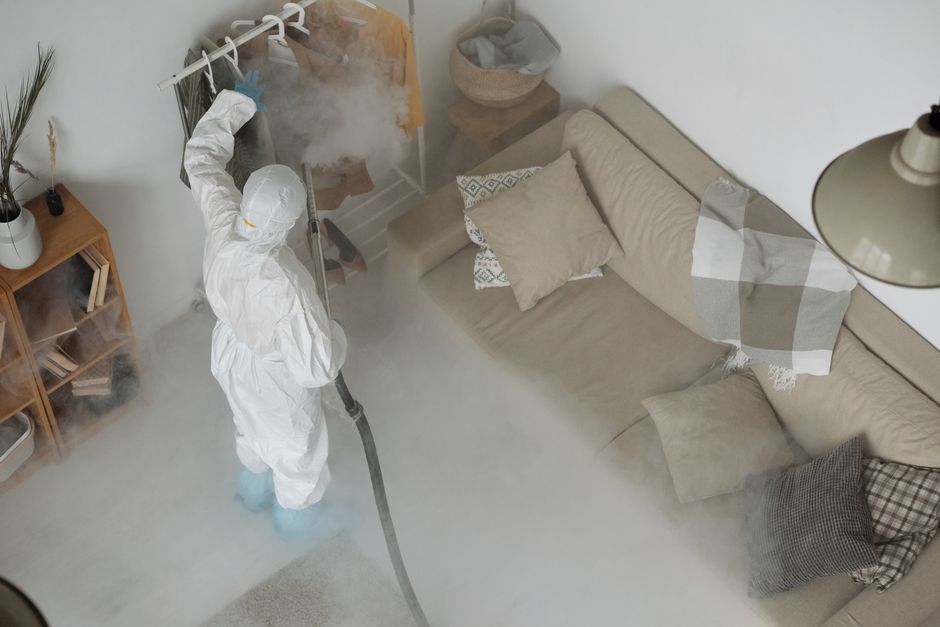
Deep Cleaning Bromley for homes and workspaces means a detailed, room-by-room clean that goes beyond routine upkeep and focuses on the places people often overlook. Our service covers thorough cleaning of built-up grime, reachable fixtures, edges, and high-touch surfaces, with attention to the finish as well as the visible dirt. It is suitable when a property needs a more exacting clean after everyday wear, before a handover, or simply when a reset is overdue.
We keep the work practical and ordered. That can include skirting boards, switches, door frames, sinks, sanitaryware, kitchen surfaces, and other areas where dust and residue collect over time. A deep clean is different from a quick tidy: it is about careful detail, not just speed. If you are comparing options, the best starting point is usually to define the rooms, the condition, and the finish you want so the quotation reflects the actual scope.
Use this page to see how the service is structured, what is commonly included, and where the main choices sit. If you are planning a one-off clean for a property in Bromley, the most useful next step is to request a quotation with the rooms and any particular priorities noted clearly. See pricing and quotes if you want to compare the service structure before you make contact.
Deep Cleaning For Kitchens And Food Preparation Areas

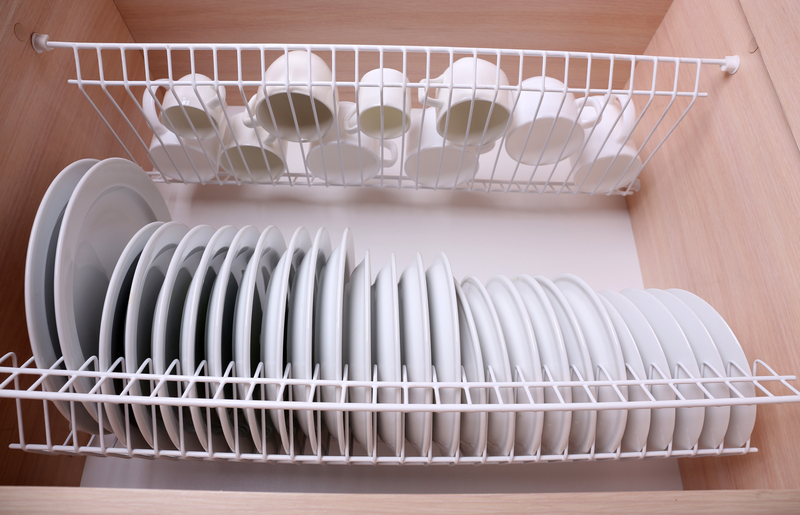
Kitchens usually need the most detailed attention because grease, steam, and regular contact leave marks in several layers. A proper deep clean can focus on cabinet fronts, handles, splashback areas, appliance exteriors, sink fittings, taps, and the corners where residue settles. We also pay close attention to the join between worktops and walls, because that is where everyday wiping often stops short. The aim is a cleaner working surface and a more consistent finish across the room.
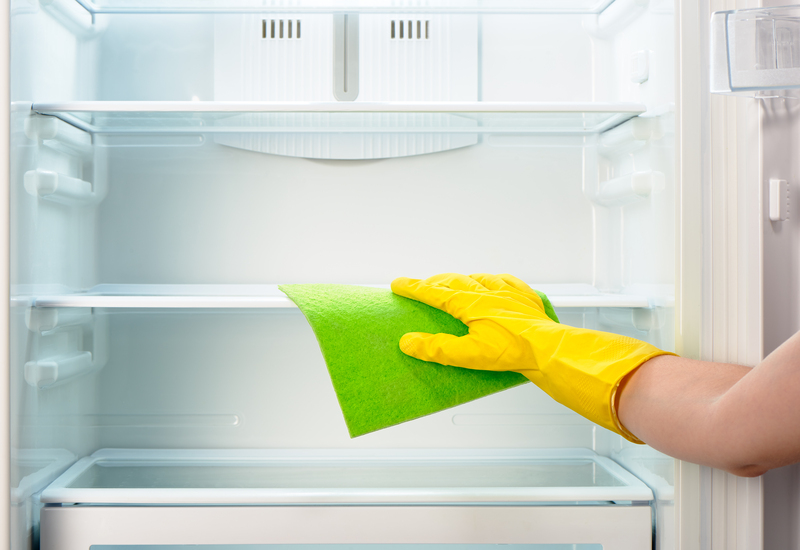
Inside this part of the service, the work may also cover accessible shelving, extractor surrounds, and the visible parts of oven exteriors where grime can harden. For many customers, the value lies in the difference between surface-level cleaning and a careful reset that tackles the awkward spots as well. If an oven, fridge or other appliance needs a dedicated clean, it is best to describe that separately so the quotation reflects the time and method involved. Oven cleaning is a useful related option where the cooking appliance itself needs focused attention.
Helpful preparation is usually straightforward: remove loose items from worktops, clear out the sink, and mention anything delicate, built-in, or especially marked. If there are areas you want prioritised, list them plainly rather than trying to describe the whole room in general terms. Clear instructions help the clean stay focused and make the estimate easier to read. For a broader reset, you can also request deep cleaning as the core service page for this type of work.
Bathrooms, Washrooms And Other Detail-Focused Rooms

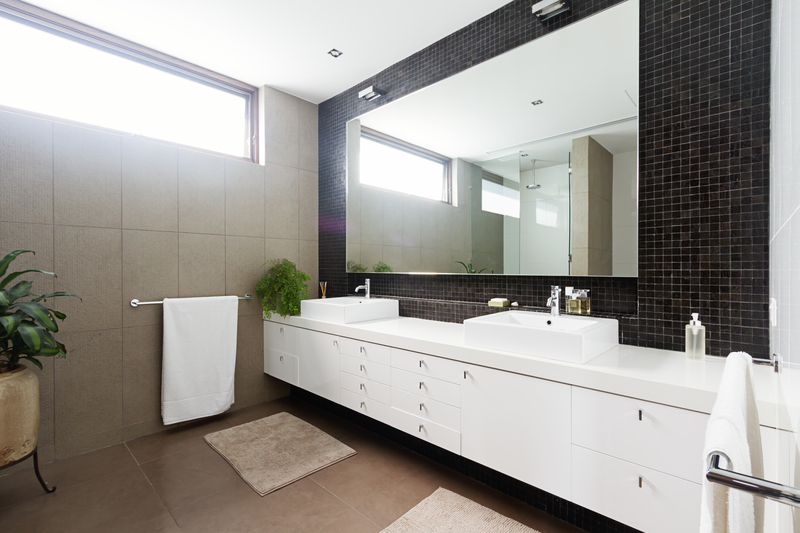
Bathrooms benefit from a deep clean because they combine moisture, limescale, soap residue, and frequent use. A thorough approach can cover basins, taps, shower screens, tiles, bath surrounds, toilets, fittings, and the small joints where grime gathers. The work is not only about appearance; it is also about restoring a room to a more manageable baseline so routine cleaning becomes easier afterwards. In properties with multiple bathrooms, a consistent method across each room gives a more even result.
Beyond standard sanitaryware, the service can also include mirrors, accessible shelving, towel rails, and the outer surfaces of cabinets if they are part of the agreed scope. Where there are natural limitations, such as fragile finishes, fixed fittings, or access around enclosed pipework, the clean is adapted to suit the room rather than forced into a one-size-fits-all pattern. That is why an accurate description of the room matters when you request a quotation; it lets us plan the method and the time needed.
Some properties need a broader one-off tidy across several areas rather than a single-room job. In those cases the cleaner can work through a set sequence so the finish remains consistent from room to room. A straightforward request is usually enough: say which rooms matter most, whether any have special materials, and whether you want a lighter or more detailed result. For properties needing a more general reset, one-off cleaning can sit alongside a deep clean discussion.
Living Areas, Bedrooms And High-Contact Surfaces
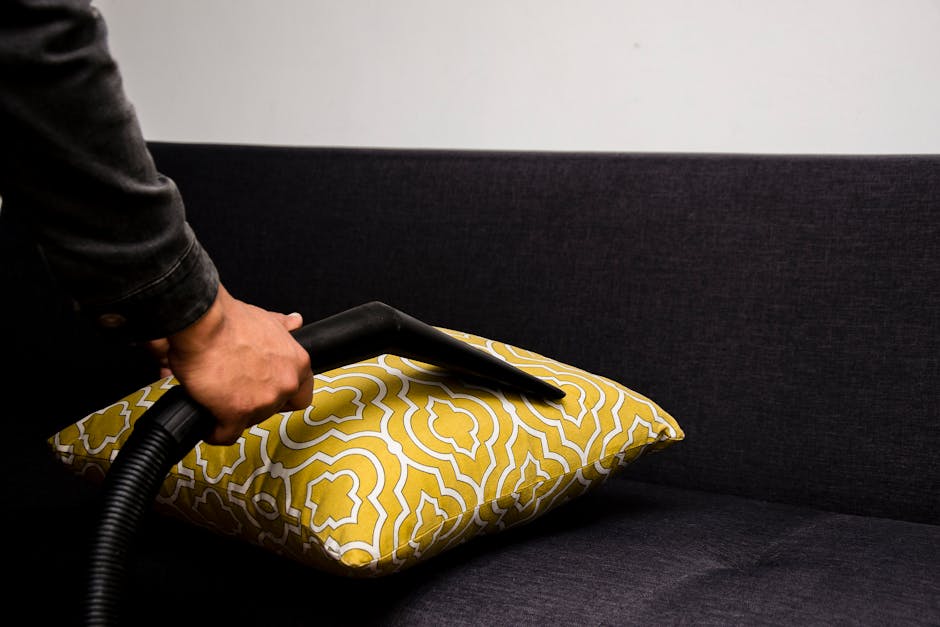
In living rooms and bedrooms, deep cleaning tends to focus on the less obvious build-up that routine tidying misses. That can include skirting boards, light switches, door surrounds, window ledges, reachable shelves, and marks around handles or edges that get touched repeatedly. Upholstered items and soft furnishings often need a different treatment from hard surfaces, so the clean should be planned with the material in mind. A careful approach protects finishes while still improving the overall look of the space.
Where dust has gathered over time, it is often the transition points that matter most: behind movable furniture, along trims, and at the bottom of walls where vacuuming alone may not be enough. Rooms used for work or study can also benefit from a more detailed pass over desks, storage fronts, and surfaces near sockets and cables. If soft furnishings need a separate specialist treatment, that should be set out clearly rather than assumed. Upholstery cleaning is relevant where fabric items need their own method.
Practical decisions make the job smoother: note whether furniture can be moved, whether there are rooms you want left untouched, and whether any marks are longstanding rather than recent. A good quotation depends on understanding the scope, not on guessing it. If you are comparing broader property cleaning options, the most useful approach is to describe the rooms in plain language and then ask for the service that matches the condition you actually have.
What A Deep Clean Usually Covers
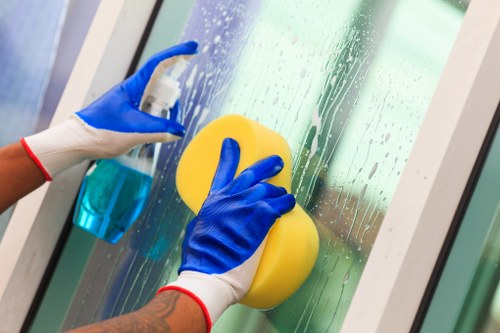
A detailed clean is best thought of as a sequence of tasks rather than a single label. It may include dust removal, surface wiping, spot cleaning, sanitising of frequently touched points, and more exact attention to corners, edges, and fixtures. Because every property is different, the precise scope should be set at quotation stage. The point is not to promise identical results in every home or office, but to build the work around what the space contains and how much attention each area needs.
Commonly requested elements include careful cleaning of worktops, sinks, shelves, internal edges, mirrors, frames, and visible fixture surfaces. In many cases, a deep clean also pairs well with dedicated services for carpets or windows when those parts of the property need separate treatment. If you only need one area of the property addressed, it is sensible to focus the request there rather than spreading the work too thinly. A clearer brief usually produces a cleaner result and a more useful quotation.
Typical items a customer might mention include:
- kitchens, bathrooms, and utility spaces
- skirting boards, frames, and reachable ledges
- appliance exteriors and cabinet fronts
- dust-prone corners and touch points
- fabric items that need specialist care
Houses, Flats And Smaller Property Types
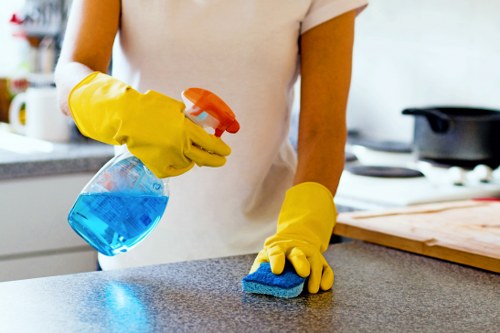
Deep cleaning is often requested for homes that need a more thorough reset than a standard visit provides. In houses, that may mean working through several rooms in sequence, with different surfaces and fittings in each one. In flats, access, layout, and room size can shape the order of work, but the same principle applies: the clean should target the places where everyday maintenance leaves behind residue. We can adapt the method to suit occupied homes, empty homes, or properties between uses.
For households, a sensible request usually includes the number of rooms, any awkward areas, and whether the job is meant to support general upkeep, a move, or a seasonal reset. If there are shared spaces, such as hallways or landings, it helps to identify them early so they are not omitted from the estimate. Many customers find it useful to pair a deep clean with more specific services for particular rooms if needed. For example, domestic cleaning is a related option when a broader regular service is also being considered.
We recommend two simple steps before asking for a quotation: list the rooms and note any special cleaning requirements. That may include stubborn staining, delicate surfaces, built-in fixtures, or surfaces that should not be treated in the usual way. A short, accurate description is better than a long, vague one. Once the scope is clear, the pricing conversation is easier and the result is more likely to match what you expected.
About Bromley
Bromley is one of the larger town centres in the south-east of Greater London, sitting within the London Borough of Bromley and functioning as both a historic market settlement and a modern commercial hub. Its development has been shaped by transport routes, suburban expansion and the gradual shift from a rural market town into a major outer-London centre. The High Street area remains important to its identity, with a pattern of retail, civic and leisure uses that reflects the town’s long-established role as a local focus for surrounding neighbourhoods. Bromley South railway station links the town into wider London, while nearby Bromley North offers an additional rail connection and helps define the area’s transport geography.
Office And Shared-Space Deep Cleaning
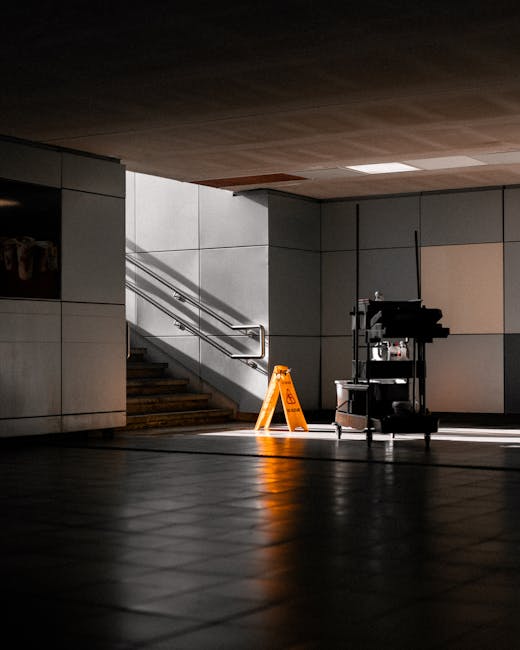
Commercial premises need a different kind of deep clean from homes because desks, meeting areas, kitchens, reception points, and washrooms all serve different functions. A good plan for offices focuses on shared touch points, visible presentation, and the spaces that staff or visitors use most often. That may include desk edges, chair arms, partitions, kitchenettes, and washroom fittings, together with dust-prone ledges and access areas around doors and switches. The result is a cleaner, more orderly environment without turning the visit into a general maintenance contract.
For workspaces, it helps to separate routine upkeep from a deeper reset. If the task is a periodic clean of a space that is normally maintained by staff or another contractor, the quotation should reflect that it is a one-off service rather than a repeat schedule. Where carpets, glass, or other specialist surfaces need their own treatment, those can be discussed alongside the main clean rather than bundled in without explanation. Office cleaning is a useful related page where the setting is primarily commercial.
The best quotations for shared spaces are usually the ones that specify access times, room use, and any items that should remain untouched. If a room contains computer equipment, sensitive papers or specialist fixtures, say so in advance so the clean can be planned around them. That is especially important where the property is occupied or where several teams use the same areas. Request a quotation when you are ready to set out the rooms and the level of detail you need.
Choosing The Right Depth Of Clean
Not every property needs the same level of attention, so it is helpful to choose the depth of cleaning with a clear purpose in mind. Some customers need a full reset after a busy period, while others only want a detailed clean of a few neglected rooms. The most practical choice is the one that matches the condition of the property and the finish you want at the end. That prevents the service from being either too light or more extensive than necessary.
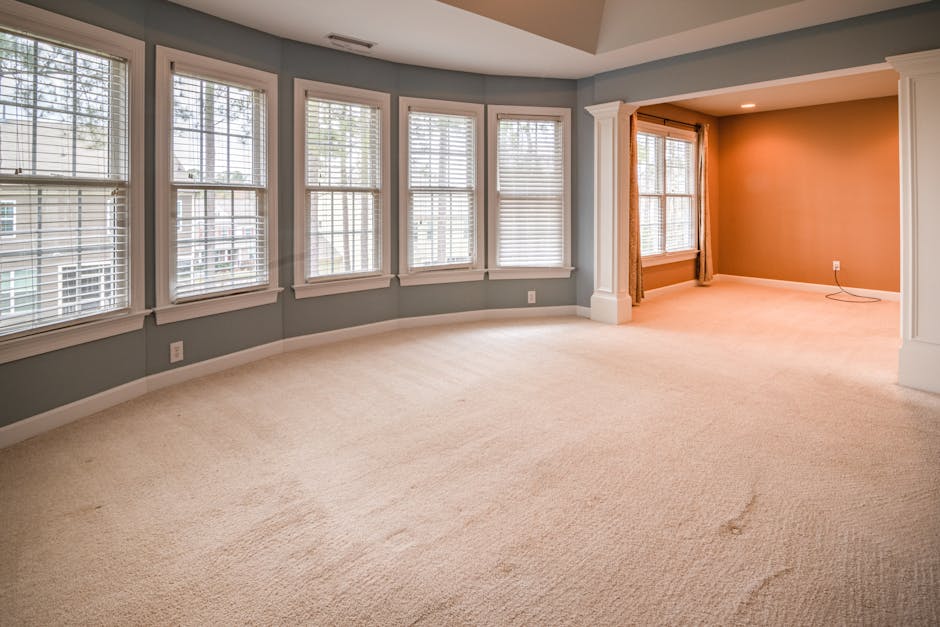
There are also cases where combining services makes more sense than requesting one broad clean and hoping it covers everything. A property with heavy floor marking, for example, may benefit from a floor-specific treatment alongside the main deep clean. A kitchen with grease on the oven and surrounding surfaces may need a dedicated appliance task as well as the general room clean. Where carpets or rugs need specialist handling, the quotation should mention those separately so the scope remains accurate. Carpet cleaning is relevant when the floor treatment needs a different process.
Keep your request practical and specific. A short list of the rooms, surfaces and issues you want addressed is usually enough to guide the estimate. If the property has just one or two heavily used areas, say so; if the goal is a broader refresh, say that too. The clearer the brief, the easier it is to match the service to the property without unnecessary extras.
Planning A Quotation For Your Property
A quotation works best when it is built from real detail rather than broad assumptions. The simplest way to do that is to explain the property type, the rooms involved, the condition of the surfaces, and any special requirements such as fragile materials or restricted access. If you are contacting us about a home, a flat, or a workplace in Bromley, the main aim is to show where the time will go. That makes the estimate more useful and reduces avoidable back-and-forth.
It can also help to mention whether the property is furnished, partly furnished, or empty, because that affects how the cleaning is approached. If there are items you want left in place, or if certain areas are only to be cleaned lightly, say so plainly. There is no need for a long explanation; a clear list is enough. For customers comparing broader property services, cleaning company information can be useful when deciding how the work should be organised.
When you are ready, send the quotation request with the service you need in mind and the rooms you want covered. If the clean is intended to solve a specific problem, mention that first. One well-written request is usually better than several vague ones. For a direct enquiry about your deep clean, use the contact route on the website and ask for a quotation based on the scope you have described.