Health and Safety Policy for Deep Cleaning Bromley
 This Health and Safety Policy sets out the standards and responsibilities that support safe, effective, and professional deep cleaning services. It applies to all cleaning activities carried out by our team, including domestic, commercial, and specialist cleaning tasks. Our approach to deep cleaning in Bromley is built on prevention, careful planning, and consistent control measures that reduce risks to workers, clients, and the public.
The purpose of this policy is to maintain a safe working environment while delivering high-quality results. We recognise that deep cleaning often involves the use of chemicals, equipment, ladders, steam tools, and physical movement in varied environments. For that reason, every task is assessed before work begins, and suitable precautions are put in place to ensure a safe and controlled process.
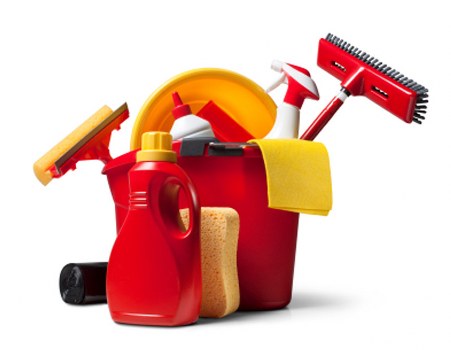 All staff involved in deep cleaning services are expected to follow safe working practices at all times. This includes wearing appropriate personal protective equipment, handling cleaning products correctly, and reporting hazards immediately. Risk awareness is central to our work, and each member of the team is responsible for helping to maintain a safe site throughout the cleaning operation.
We use a structured risk assessment process before and during each job. This includes identifying slip hazards, electrical risks, ventilation concerns, moving furniture, sharp objects, and contact with contaminated surfaces. Where necessary, control measures may include warning signs, restricted access, safe product dilution, and the use of suitable tools to reduce strain and injury.
Chemical safety is a key part of this policy. Cleaning agents are selected carefully to suit the surface and the task, and all products are used in line with manufacturer instructions. Staff must never mix chemicals unless specifically approved, and all containers must be correctly labelled and stored. Proper ventilation is maintained during cleaning to reduce exposure to fumes, especially in enclosed spaces.
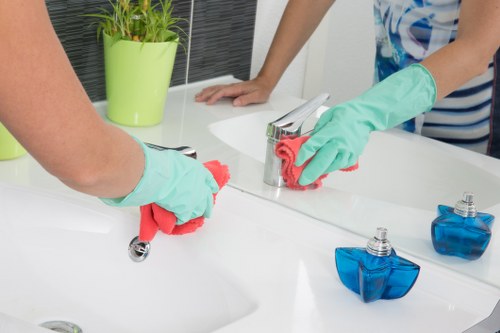 In addition to chemical handling, our deep cleaning policy covers equipment safety. Machines such as vacuums, steam cleaners, and extraction units are checked before use, and defective tools are removed from service immediately. Cables and plugs are inspected for damage, and electrical equipment is never operated with wet hands or in unsafe conditions. Safe storage and regular maintenance help prevent avoidable incidents.
Manual handling is another important consideration in professional deep cleaning. Lifting heavy bags, shifting furniture, and reaching awkward spaces can cause injury if done incorrectly. Staff are trained to use proper posture, take breaks when needed, and ask for assistance with bulky or difficult items. Whenever possible, the workload is organised to minimise unnecessary strain and repetitive movement.
Good housekeeping is essential to safe practice. Work areas should be kept tidy, with waste removed promptly and tools stored securely when not in use. Spillages must be cleaned immediately, and wet floors should be clearly marked until dry. These steps reduce the risk of slips, trips, and falls, which are among the most common hazards during deep cleaning operations.
We also place importance on infection prevention and hygiene control. Where deep cleaning is carried out in settings with increased contamination risk, enhanced precautions are used to limit cross-contamination. This may include colour-coded materials, disposable items where appropriate, and separating clean and dirty zones. Staff are expected to wash or sanitise hands regularly and change PPE when it becomes contaminated.
Training and supervision support the safe delivery of every project. All employees receive instruction on safe cleaning methods, emergency procedures, product use, and hazard reporting. New staff are supervised until they demonstrate safe competence, and refresher training is provided to keep practices consistent. A strong safety culture helps ensure that deep cleaning in Bromley remains both effective and responsible.
Emergency preparedness is also covered by this policy. In the event of an accident, chemical exposure, fire risk, or other urgent issue, staff must stop work where necessary and follow the correct response procedure. First aid support, incident recording, and communication with relevant parties should happen promptly. Lessons learned from incidents are used to improve future safety performance.
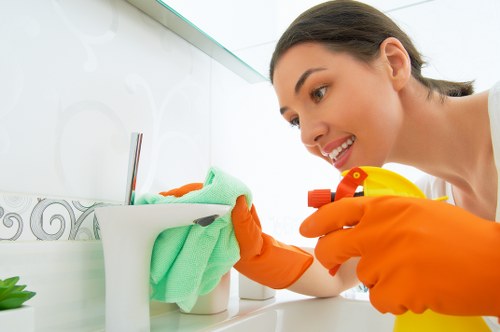 Clients and occupants also have a role in supporting safe work. Areas should be made accessible before cleaning begins, and any known hazards, fragile items, or special access issues should be disclosed in advance. Clear coordination helps the team carry out deep cleaning services with minimal disruption while maintaining full attention to safety and quality.
The policy is reviewed regularly to reflect changes in equipment, products, work methods, and legal expectations. Updates are made when necessary to improve safety outcomes and keep procedures current. By reviewing performance and maintaining high standards, we ensure that our deep cleaning policy remains practical, reliable, and aligned with best practice.
Management responsibilities include providing suitable equipment, monitoring compliance, and ensuring that workers have the knowledge and resources they need. Supervisors must check that controls are being followed, that hazards are reported, and that corrective action is taken without delay. Safety is treated as a shared responsibility, but leadership sets the tone for consistent good practice.
 This policy confirms our commitment to safe, efficient, and professional deep cleaning across every assignment. Through careful planning, proper training, and attention to detail, we protect people while delivering excellent results. The same standards apply whether the job is routine, intensive, or highly specialised, because safety remains essential at every stage of the cleaning process.